
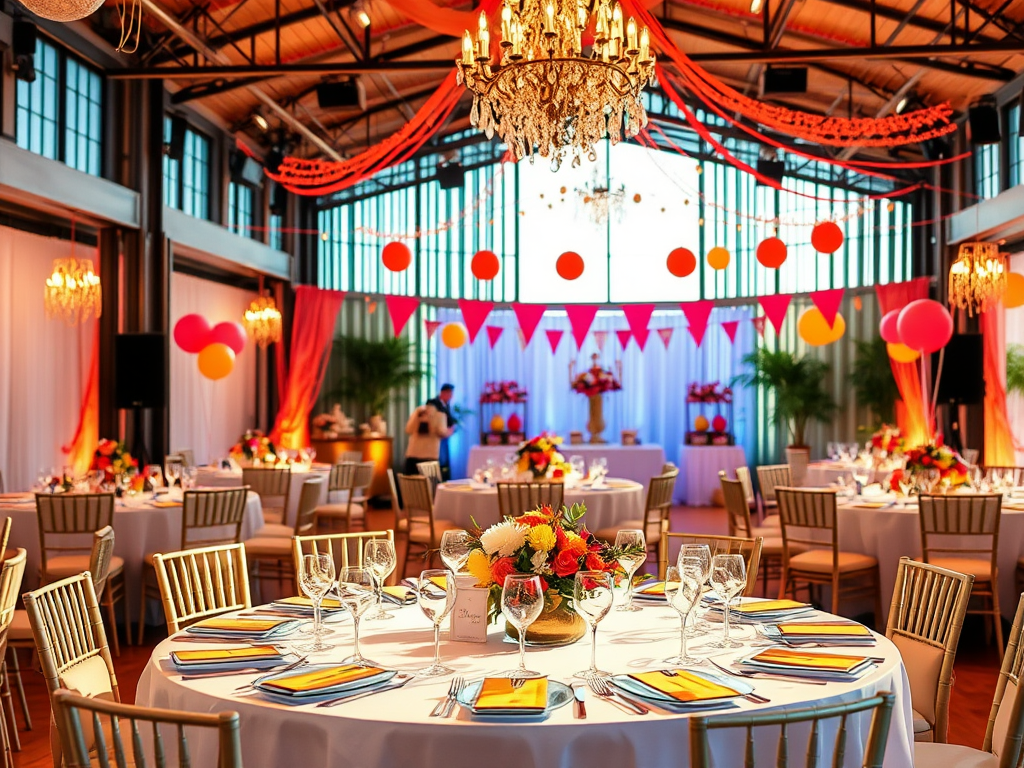
Planning an event—big or small—can feel overwhelming at first. Whether it’s a birthday, baby shower, engagement, graduation, or corporate gathering, there are many layers involved in bringing your vision to life. But with the right approach, event planning becomes exciting, organized, and surprisingly enjoyable.
Here’s a step-by-step guide on where to start, what to prioritize, and how to plan each aspect of your event with confidence.
⸻
1. Start With the Purpose of the Event
Before you look at venues, décor, photographers, or food, get clear on the purpose of the event.
Ask yourself:
• What is this event celebrating?
• What do I want people to feel when they attend?
• Is this event formal, traditional, fun, intimate, or grand?
Your answers will guide every other decision you make.
Example:
A baby shower will have a completely different mood and tone compared to a Wedding ceremony or a milestone birthday celebration.
⸻
2. Set a Realistic Budget
Your budget will drive decisions around:
• Venue
• Guest count
• Décor style
• Catering
• Photography
• Entertainment
Break your budget into categories so you know where to prioritize. Most events spend the most on:
1. Venue
2. Food
3. Photography
Always keep a 10–15% buffer for last-minute additions.
⸻
3. Decide on Your Guest Count
Your guest count affects:
• Venue size
• Food cost
• Seating
• Flow of the event
• Photography timeline
• Décor quantity
Start with your must-invite list and then expand.
⸻
4. Choose Your Date (and Have a Backup!)
Before contacting vendors, decide on:
• Your ideal date
• Alternative dates
• Flexibility with weekends or weekdays
Consider school schedules, holidays, and travel plans of close family members.
⸻
5. Before You Finalize a Venue, Think From a Photographer’s Perspective
This step is crucial and often overlooked.
Before signing a venue contract, take a moment to consider how the space will look through a camera lens. Many venues look stunning to the eye but may not photograph well due to dark walls, low ceilings, poor lighting, or cluttered layouts.
A photographer-friendly venue will:
• give you brighter and more flattering images
• avoid harsh shadows or strange color tints
• create clean, elegant compositions
• allow movement for different angles
• support your décor setup
• provide more variety in your photo gallery
Pro Tip: If you want to dive deeper into choosing the right venue from a photographer’s perspective, check outer full guide on how to choose the perfect event venue for picture-perfect photos.
Ask yourself (or your photographer):
• Is the space bright enough?
• Are the walls and ceilings neutral or light-colored?
• Is there enough room to move around freely?
• Will window light interfere with the backdrop and wash out photos?
• Is there an outdoor spot for portraits or group photos?
Thinking like a photographer early on will save you from choosing a space that looks good in person—but not in pictures.
⸻
6. Find the Right Venue
Once you’ve considered the photographer’s perspective, start evaluating venue options.
Look for:
✔ Space that fits your guests comfortably
✔ Natural light
✔ Light-colored ceilings and walls
✔ Convenient location
✔ Easy parking
✔ Outdoor access
✔ Flexible décor rules
Avoid venues that are:
✘ Too dark
✘ Too cramped
✘ Poorly ventilated
✘ Restrictive with photography or setup
Your venue becomes the “canvas” for your event.
⸻
7. Build the Theme or Style of Your Event
Now comes the creative part—choosing your event’s aesthetic.
Popular themes include:
• Traditional
• Elegant modern
• Minimalist
• Rustic
• Glam
• Pastel
• Cultural
Your theme guides all design choices, including color palette, backdrop style, invitations, and even your outfits.
⸻
8. Plan the Décor and Setup
Décor sets the mood and enhances the storytelling in your photos.
Key décor elements:
• Stage/backdrop
• Welcome board
• Table centerpieces
• Floral arrangements
• Balloons or draping
• Themed props
Important:
Avoid placing your backdrop directly in front of a bright window.
Strong window light can hit the camera and wash out the background or cause flare.
Choose a wall that gets soft, even light for the best results.
⸻
9. Book Your Photographer Early
Photography is one of the few things that truly lasts.
Choose a photographer whose:
• style matches your vision
• experience fits your event type
• past galleries show consistent quality
• editing style you love
• communication feels easy
Share your timeline, must-have shots, important people, and décor details.
⸻
10. Plan the Food & Menu
Food is a major part of any celebration.
Think about:
• Buffet vs plated
• Veg-only or mixed menu
• Kids’ options
• Dessert table
• Allergies
• Live counters
Coordinate with the décor team for table layout and flow is essential, but you also want to ensure that you’re working with the right vendors for food, photography, entertainment, and more. Choosing reliable vendors can be the key to your event’s success.
If you’re looking for trusted recommendations for event vendors, from caterers to florists, check out my list of vendor recommendations to help you make informed choices.
⸻
11. Design the Event Flow & Timeline
A smooth flow keeps guests comfortable and ensures every moment gets captured.
Common timeline sections:
• Guest arrival
• Welcome photos
• Rituals or ceremonies
• Speeches
• Cake cutting
• Dinner
• Dancing
• Group photos
Plan natural transitions.
⸻
12. Seating Arrangements
Plan seating to accommodate:
• Elders
• Families with kids
• VIP guests
• Individuals involved in rituals
Avoid blocking photographer movement or views.
⸻
13. Sound, Music & Entertainment
Good sound elevates the atmosphere.
Consider:
• DJ or live music
• Microphones for speeches
• Cultural performances
• Kids’ entertainment
Better sound = better energy = better candid photos.
⸻
14. Think About Logistics
These details impact the flow of the day:
✔ Parking
✔ Accessibility
✔ Vendor arrival times
✔ Backup options
✔ Weather plan
✔ Power outlets
✔ Waste management
✔ Clean-up crew
Smooth logistics equal a stress-free event.
⸻
15. Add Personal Touches
Make your event feel uniquely yours.
Ideas:
• Memory wall
• Personalized favors
• Family photos
• Story-based décor
• Cultural rituals
• Signature colors or themes
⸻
16. Enjoy Your Day
Once planning is done, relax and enjoy. Your joy will show in the photos more than anything else.
⸻
Final Thoughts
Planning an event becomes easier when you start with the big decisions—purpose, budget, guest count—and then move into details like venue, décor, photography, food, and logistics.
And remember this key tip:
✨ Don’t finalize the venue until you consider how it photographs.
It makes all the difference in the beauty of your memories.

 sejalsanghvi.blog
Leave a comment